Dry or Damaged Hair? How to Tell and Treat It Professionally
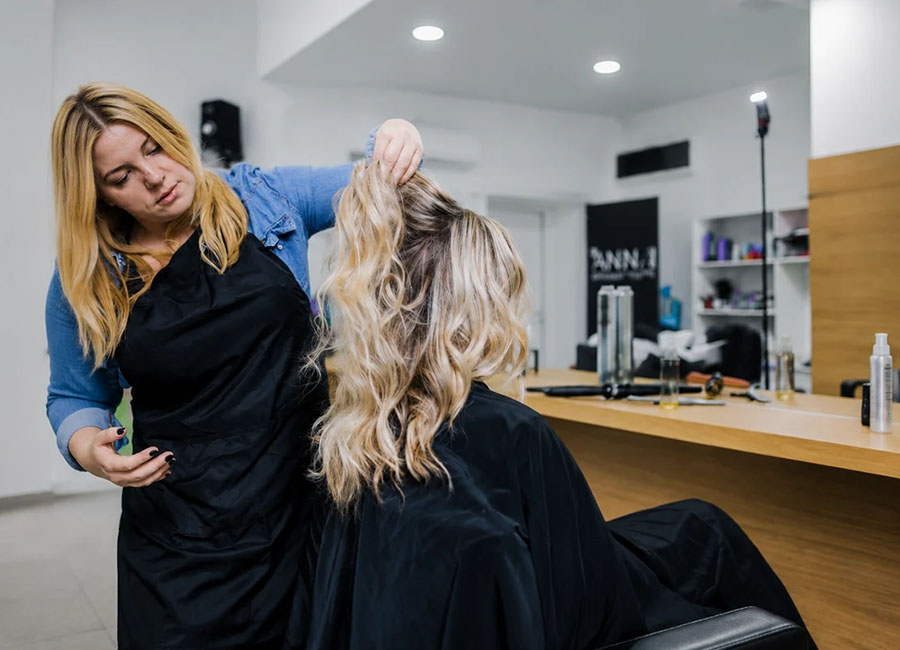
Dryness and damage can look similar at first glance, but they need different approaches. Understanding the difference will help you confidently help your customers restore softness, strength, and shine. This expert guide explains how to tell if hair is dry or damaged, how to treat it professionally, which salon-grade treatments to choose from, and how to build a balanced routine.
Dry vs damaged: the fast diagnostics
Dry hair is a moisture and lipid issue. It is often caused by environmental stress, frequent washing, or naturally low sebum levels. Hair may feel rough, look dull and develop static, but usually improves quickly once moisture is added.
Damaged hair is a structural issue. The cuticle and inner hair structure are weakened by colouring, heat, UV exposure or chemical services. This leads to breakage, tangling, split ends and uneven porosity.
Key signs to separate the two:
- Scalp feel: Tightness or itchiness usually points to dryness. Damage is felt through the lengths and ends, not the scalp.
- Frizz behaviour : Soft, fluffy frizz that smooths down with oils or leave-ins suggests dryness. Frizz that feels rough or catches on fingers usually indicates damage.
- Elasticity : On a damp strand, healthy or dry hair stretches slightly and springs back. Damaged hair overstretches, stays stretched or snaps.
- Visual clues: Split ends, white dots, breakage through the mid-lengths and fast, uneven color fade are common signs of damage.
Professional treatments that rebuild damaged hair
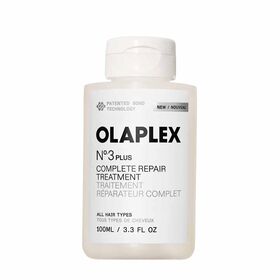
When structural damage is present, professional treatments are the best starting point. Hair Bonding Treatment help reconnect broken bonds to improve strength and elasticity. Protein and keratin treatments support weakened areas of the hair, while glossing treatments help smooth the cuticle for instant softness and shine.
To maintain results, recommend your clients to use a focused damaged-hair routine:
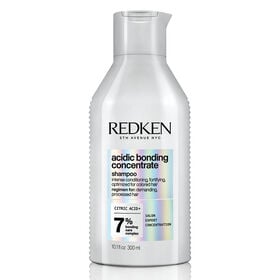
- Shampoos and Treatments with bond builders and proteins (such as keratin, wheat or silk)
- Ceramide-based formulas to support the cuticle and reduce porosity
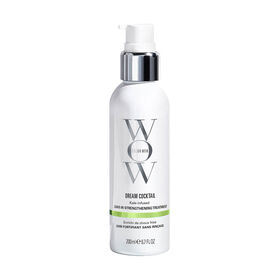
- Nourishing conditioners and leave-ins for slip and reduced friction
- Heat Protection before any blow-drying or hot tools
- Split-end sealers to improve appearance between trims
Moisture-led solutions for dry hair
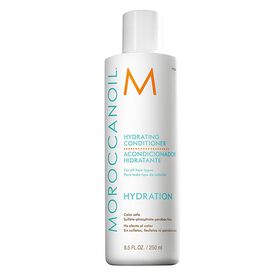
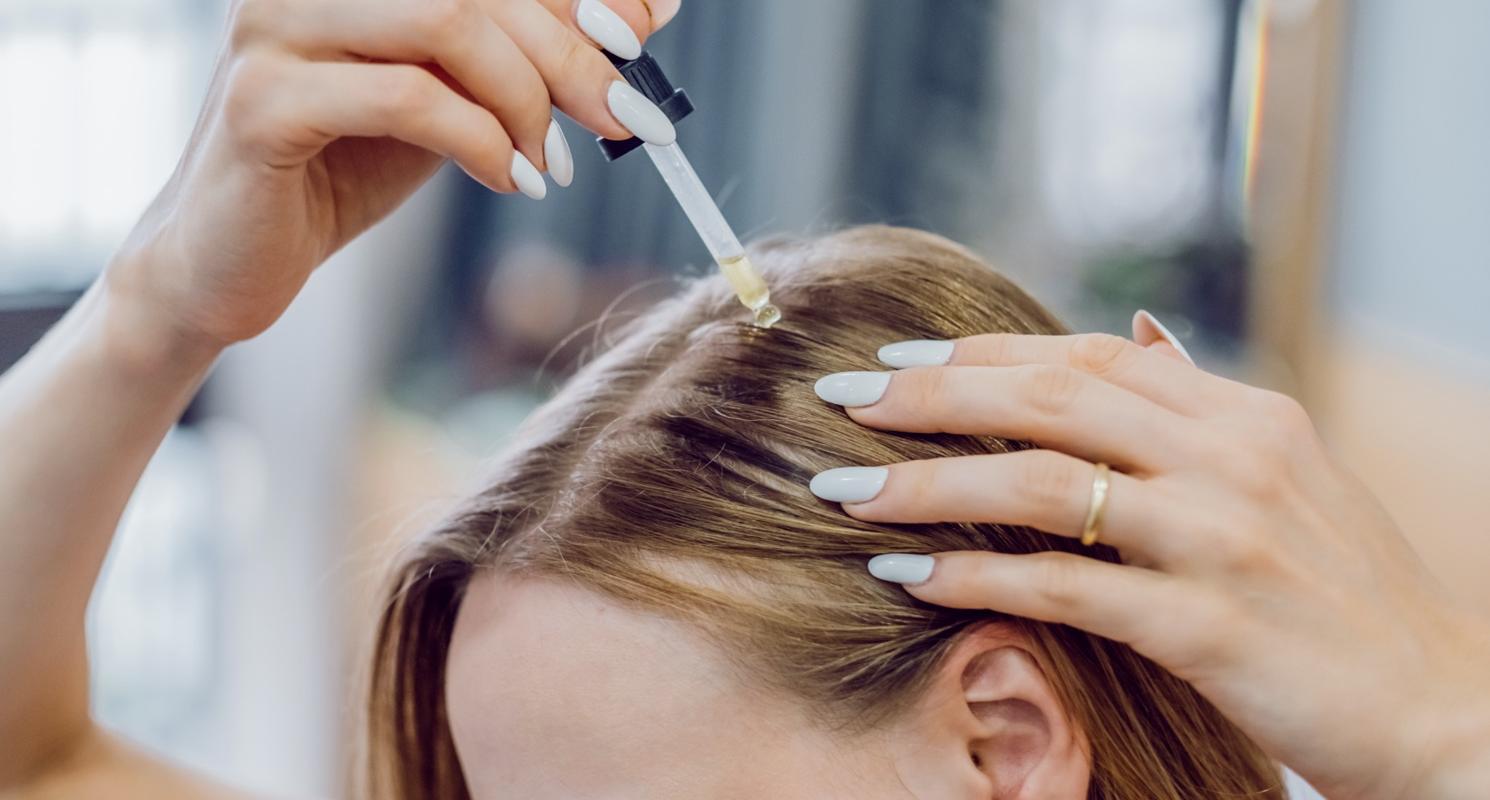
Dry hair responds best to layered moisture and lipid support. If the scalp allows you to choose a gentle, moisturizing shampoo. Follow with conditioners containing humectants such as glycerin, aloe vera, hyaluronic acid or panthenol, then seal moisture with light oils or emollients.
Protect moisture by using lukewarm water, gently blotting hair dry and applying heat protection even on low settings. In colder months, a humidifier can help reduce moisture loss.
Routine examples you can recommend to your clients
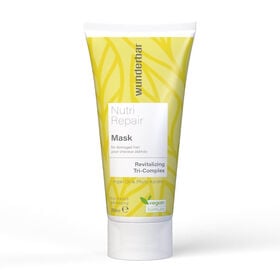
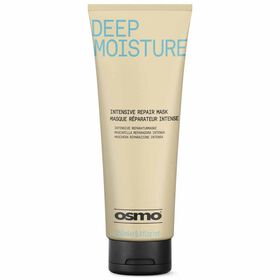
- Mostly dry hair: Cleanse 2–3 times per week with a moisturizing shampoo. Condition every wash. Apply a leave-in, then seal ends with a light oil. Use a hydrating hair masks weekly. Always use heat protection before styling.
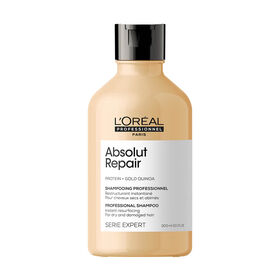
- Damaged hair: Cleanse with a strengthening sulphate-free shampoo. Use a bond-building treatment weekly for 4–6 weeks, alternating with a hydrating, low-protein mask. Keep heat protection strict and trim every 6–8 weeks.
Why choose Salon Services for professional results
We are your dependable partner for expert care. Explore over 170 professional hair and beauty brands in one place, including exclusives loved by pros like you and available only at Salon Services. We offer education and solutions that build confidence and results.
Expert Tips
- "Start by diagnosing the hair type. Dry hair needs moisture, while damaged hair needs repair. Treating the wrong issue can slow progress." - Jane Wanniaratchy - Head of Product and Technical Education – 30+ years Hairdressing Experience & 20+ years Nail Experience
- “If your scalp feels tight but the mid-lengths are soft, it's likely dryness. If you see breakage and split ends, it's structural damage.” Elke VanDaal - Education Designer – 20+ Hairdressing Experience & 20+ Nail Experience
- “Elasticity testing can help assess hair condition. Hair that stretches and returns shows moisture loss, while hair that overstretches or breaks indicates weakness.” Rena Parrock - Education Design Team Lead – 30+ Years Hairdressing Experience
- “For damaged hair, focus on bond-building treatments first, then apply products for shine. Repair the hair structure before enhancing its appearance.” Jane Wanniaratchy - Head of Product and Technical Education – 30+ years Hairdressing experience & 20+ years Nail Experience
Recommended Products