Best Professional Nail Strengthening Treatments to Use After Gel or Acrylics
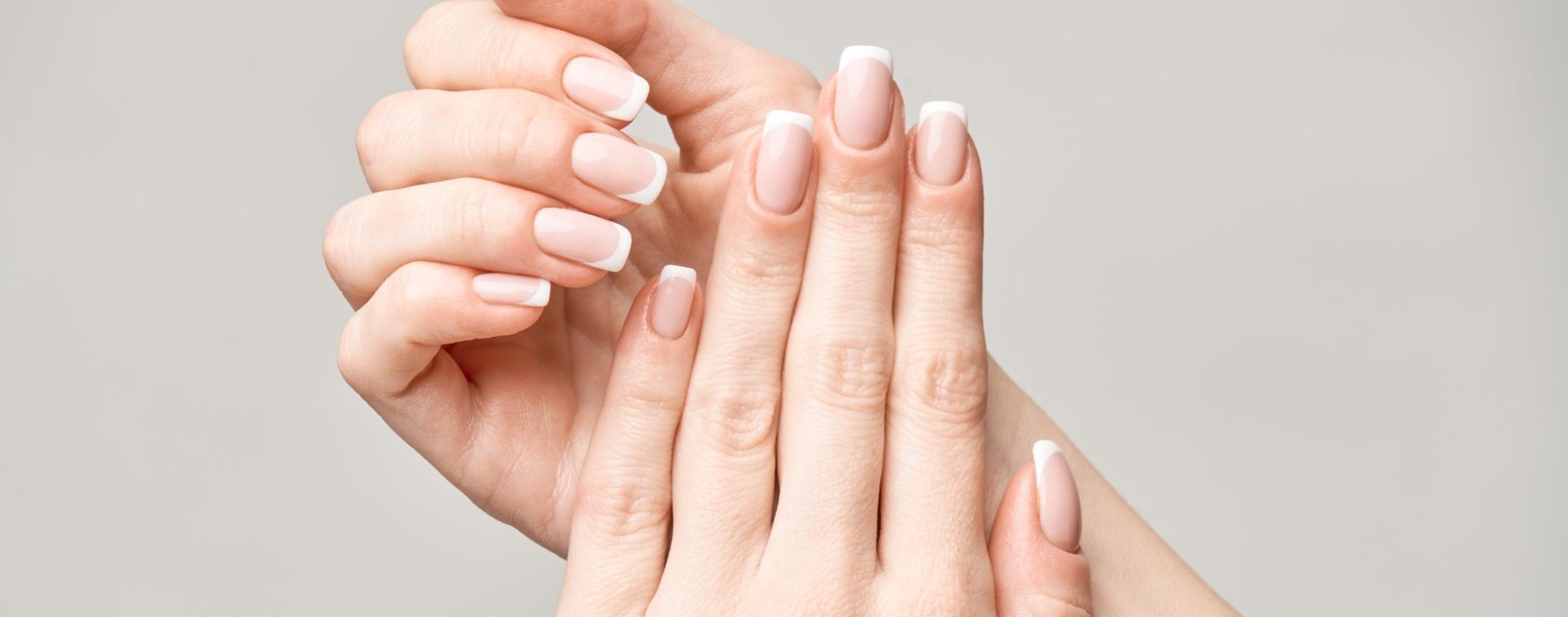
If your clients' nails are feeling thin, flexible, or prone to peeling, you're not alone. With a structured approach and the right professional tools, you can restore strength, rebuild flexibility, and protect new nail growth. This guide explains what happens to the nail plate post-removal and outlines the most effective professional nail strengthening treatments after gel or acrylics to support predictable, healthy regrowth. Use it as a practical reference when transitioning clients from acrylics or gels back to natural nails, without compromising durability or aesthetics
What Gel and Acrylics do to the Nail Plate
Gel polish and acrylic systems aren't inherently harmful. Damage usually stems from overfilling, rushed removals, or stretching wear beyond maintenance. Excessive buffing thins the nail plate; Prolonged acetone exposure dehydrates keratin, leaving nails fragile and less elastic, filing, rushed removals, or stretching wear beyond maintenance. Excessive buffing thins the nail plate; Prolonged exposure to acetone dehydrates keratin, leaving nails fragile and less elastic.
Common post-removal signs include peeling layers, splitting at the free edge, white dehydration marks, tenderness, and uneven growth. Reduced flexibility is typical, meaning nails are more likely to snap under everyday stress - especially when transitioning from acrylics back to a natural nail.
A short recovery phase allows keratin to rehydrate and compact, reducing breakage and creating a stable base for future services. For most clients this lasts 2–8 weeks, depending on the starting condition and the consistency of aftercare. If nails are already damaged by overfilling, expect a longer rebuilding window. filing, expect a longer rebuild window.
Professional Nail Strengthening Treatments
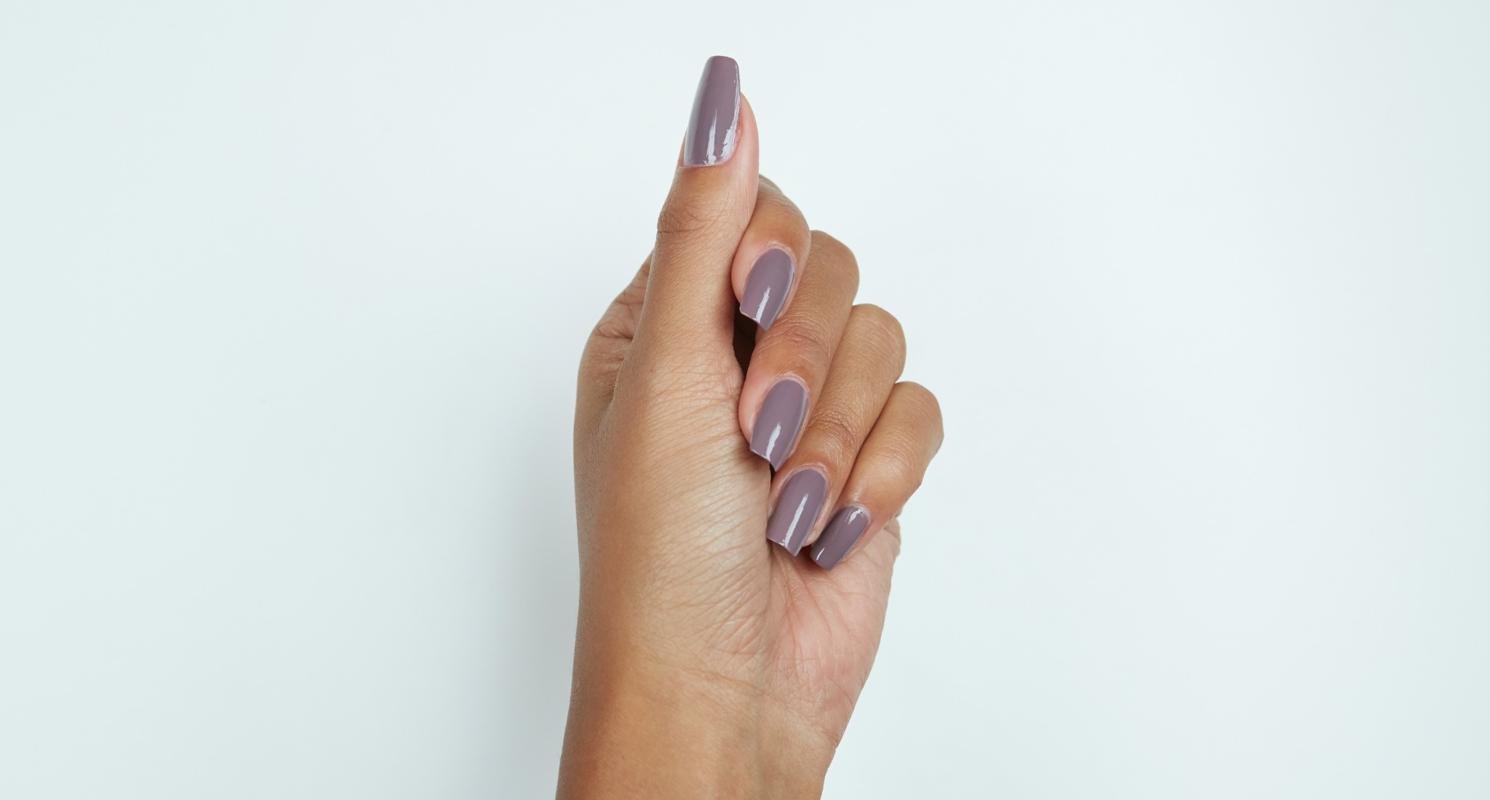
Professional treatments provide targeted correction and faster, more reliable results. Below are the most effective professional nail strengthening treatments after gel or acrylics.
- Soft Builder Gel overlays: A thin, flexible layer that helps reduce breakage during grow-out. Maintains a natural appearance while improving day-to-day durability.
- Reinforcing base coats: Fiber, calcium or keratin-enriched professional bases that support thin nail plates. Suitable under sheer or color services and particularly useful when transitioning away from acrylics.
What to offer: a professional nail assessment, safe and controlled removal of remaining product, minimal and targeted buffing to protect the natural nail, precise cuticle work, application of the selected strengthening system, and correct curing in line with manufacturer guidelines. Appointments should take between 30–60 minutes. Consistent service standards, rebooking intervals, and clear aftercare guidance help build long-term client trust and encourage repeat visits.
Why it works: controlled prep avoids further thinning; Professional-only formulas deliver stronger results, and precise application preserves flexibility while improving resilience.
Preventative Practices for Long-Term Nail Strength
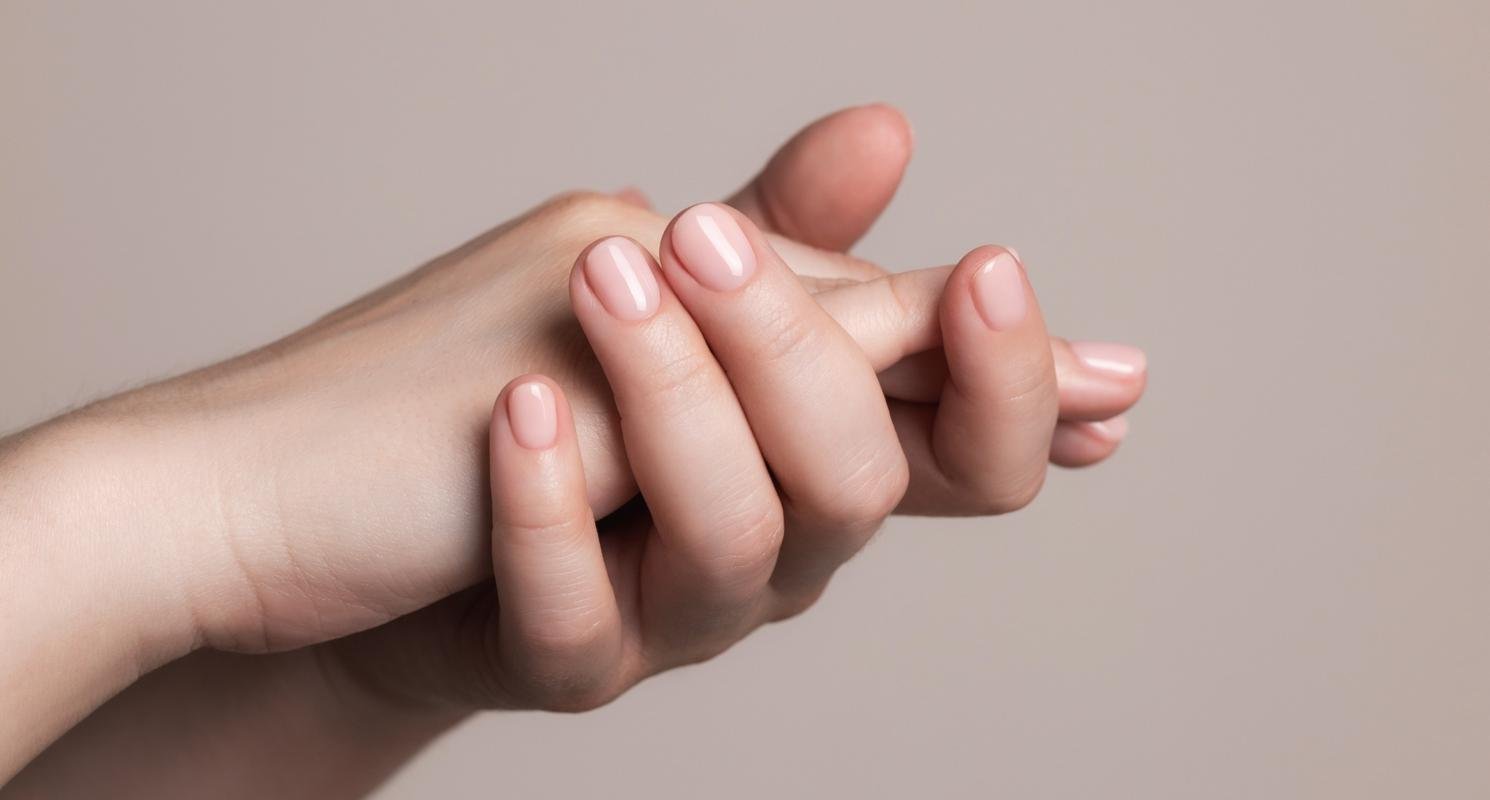
- Encourage regular appointments, every 2–3 weeks to address lifting early
- Always remove gel or acrylics using controlled methods
- Keep nail length practical during recovery
- Use light, infrequent filing to avoid thinning
- Consider soft builder during regrowth
Where to Shop Professional Nail Strengthening Solutions
Find everything you need to repair , protect, and maintain nails in one place. Salon Services brings over 400 professional hair and beauty brands together, including exclusive lines loved by pros. With more than 260 stores nationwide, you can get hands-on advice and support from our teams.on advice and support from our teams Shop the best professional nail strengthening treatments after gel or acrylics at Salon Services and help your clients move from acrylic to natural nails with confidence. We're here with expert advice, pro-grade products, and unwavering support so you can deliver reliable results every time. grade products and unwavering support
Expert Tips
- "Before applying any strengthening treatment, we always check your nail's porosity. Some nails are more absorbent than others, which means they may benefit from a nourishing treatment first to the best, longest-lasting results": Jane Wanniaratchy - Head of Product and Technical Education – 30+ years Hairdressing experience & Nail Experience 20+ years
- “If your nails are thin or naturally flexible, we avoid overly rigid hardeners. Nails need a little flexibility to ensure movement naturally — making them too hard can actually cause them to snap more easily.”: Elke VanDaal - Education Designer - 20+ Hairdressing Experience - 20+ Nail Experience
- “ When rebuilding the nail with builder gel, we focus on creating a thin, well-balanced overlay rather than adding unnecessary thickness. Proper structure and balance help protect your nails while keeping them looking natural.”: Jane Wanniaratchy - Head of Product and Technical Education – 30+ years Hairdressing experience & Nail Experience 20+ years
- "After product removal, the cuticle area is treated with extra care. Being gentle in this zone supports healthy regrowth and helps prevent lifting in future applications.": Rena Parrock - Education Design Team Lead – 30+ Years Hairdressing Experience
Recommended Products
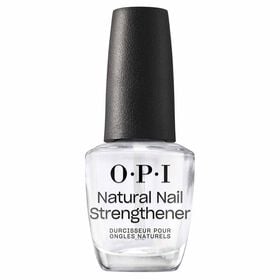
Frequently Asked Questions:
1. How long does recovery take?
Visible improvement is often seen within 2–4 weeks with professional treatments. Full recovery depends on new nail growth and typically takes 3–6 months.
2. Are there risks with strengthening treatments?
When applied correctly by trained professionals, these treatments are low risk. Avoid excessive filing or overly rigid systems that can increase brittleness.
3. How often should appointments be scheduled?
IBX and similar systems are commonly used weekly for the first 2–3 sessions, then reduced to every 2–4 weeks as condition improves. Treatment frequency should be adjusted based on nail response.