How do you fix damaged hair fast?
In a salon setting, fast results come from combining bond-repair treatments, moisture restoration, and eliminating further stress on the fibre. While instant repair isn’t always realistic, visible improvements in strength, softness, and shine can be achieved within a single service using the right professional systems.
At Salon Services, we support you at every step-helping you diagnose damage, prevent it during colour, and restore integrity through targeted in-salon treatments and professional aftercare recommendations.
How to Recognise and Diagnose Damage in Blonde Hair
Professional diagnosis is your first line of defence. Catch issues early and you protect the fibre before breakage escalates. Look for:
- High porosity: hair soaks up water fast, dries quickly, and feels rough to the touch
- Snapping, frayed ends, or visible white dots along the shaft
- Excessive shedding when brushing and a matte, lacklustre finish
- Uneven colour: hollow tone, banding, patchy lift, and fast-returning brassiness
Build a structured consultation into every blonde service. Assess elasticity, porosity, and chemical history before proceeding.
Expert tip: Always assess elasticity on damp hair—this reveals internal weakness far more accurately than dry testing. - Jane Wanniaratchy - Head of Product and Technical Education – 30+ years Hairdressing Experience & 20+ years Nail Experience
If the hair feels gummy, overly elastic, or breaks progressively, pause all lightening services and move to a structured repair plan.
Preventing Damage During Blonde Colour Services
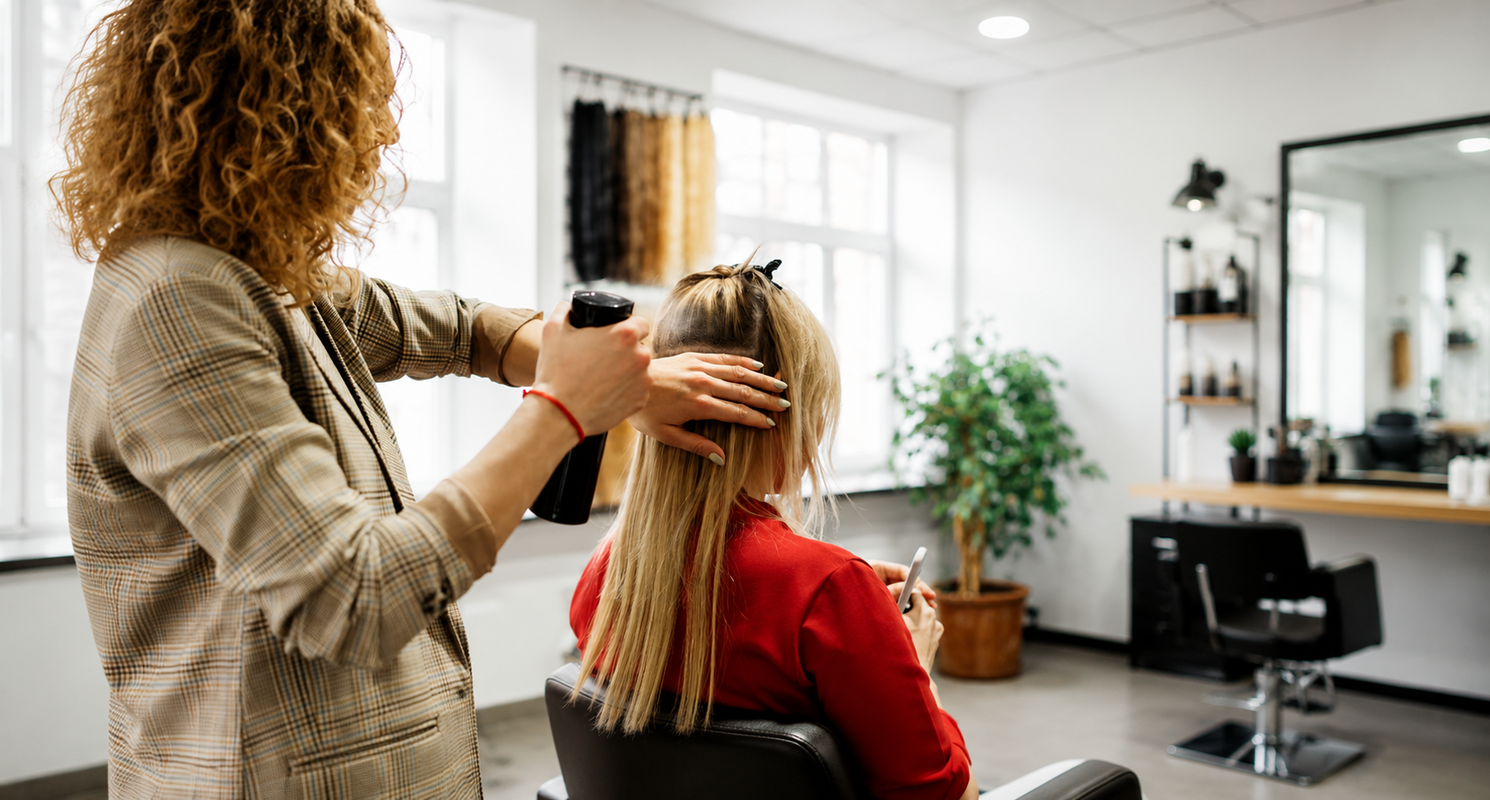
Precision prevents problems. When lightening hair, work in clean, consistent sections (0.5–1 cm) to ensure even saturation and avoid overlapping onto previously lightened hair.
Match product and technique to the canvas:
- On-scalp or off-scalp: select the appropriate lightener and developer strength based on placement and control required
- Developer strength: 10–20 vol for fragile or pre-lightened hair, and for on-scalp techniques 20–30 vol for suitable off-scalp virgin hair
- 20 Volume (6%): The safest choice for on-scalp root touch-ups, colour corrections, or when you need to lift the hair by 1 to 2 shades. It processes slower but results in less damage.
- 30 Volume (9%): Used for off-scalp applications (like highlights or balayage) or for virgin hair that requires significant lifting (3 or more levels). It works faster but should generally be kept off the scalp to prevent burning.
- 10 Volume (3%): Rarely used with lightener, except for doing a "bleach wash" or when you want a very gentle lift combined with close monitoring.
- Sectioning and saturation: controlled application reduces uneven lift and protects compromised areas
Expert tip: Prioritising lower developer with controlled processing protects long-term hair integrity and improves overall results. - Elke VanDaal - Education Designer – 20+ Hairdressing Experience & 20+ Nail Experience
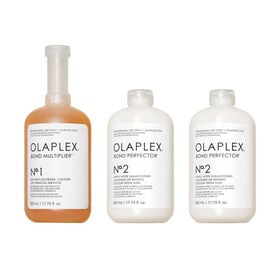
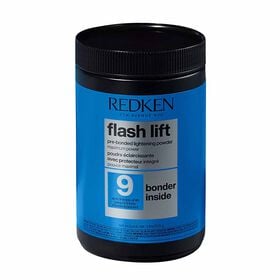
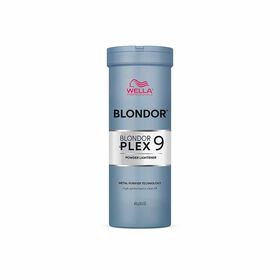
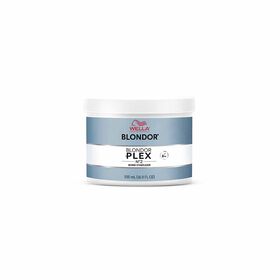
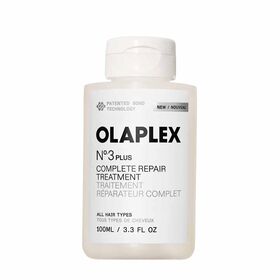
Incorporate bond-building additives from the start such as Olaplex No. 1 and No. 2
In-Salon Repair Rituals for Damaged Blonde Hair
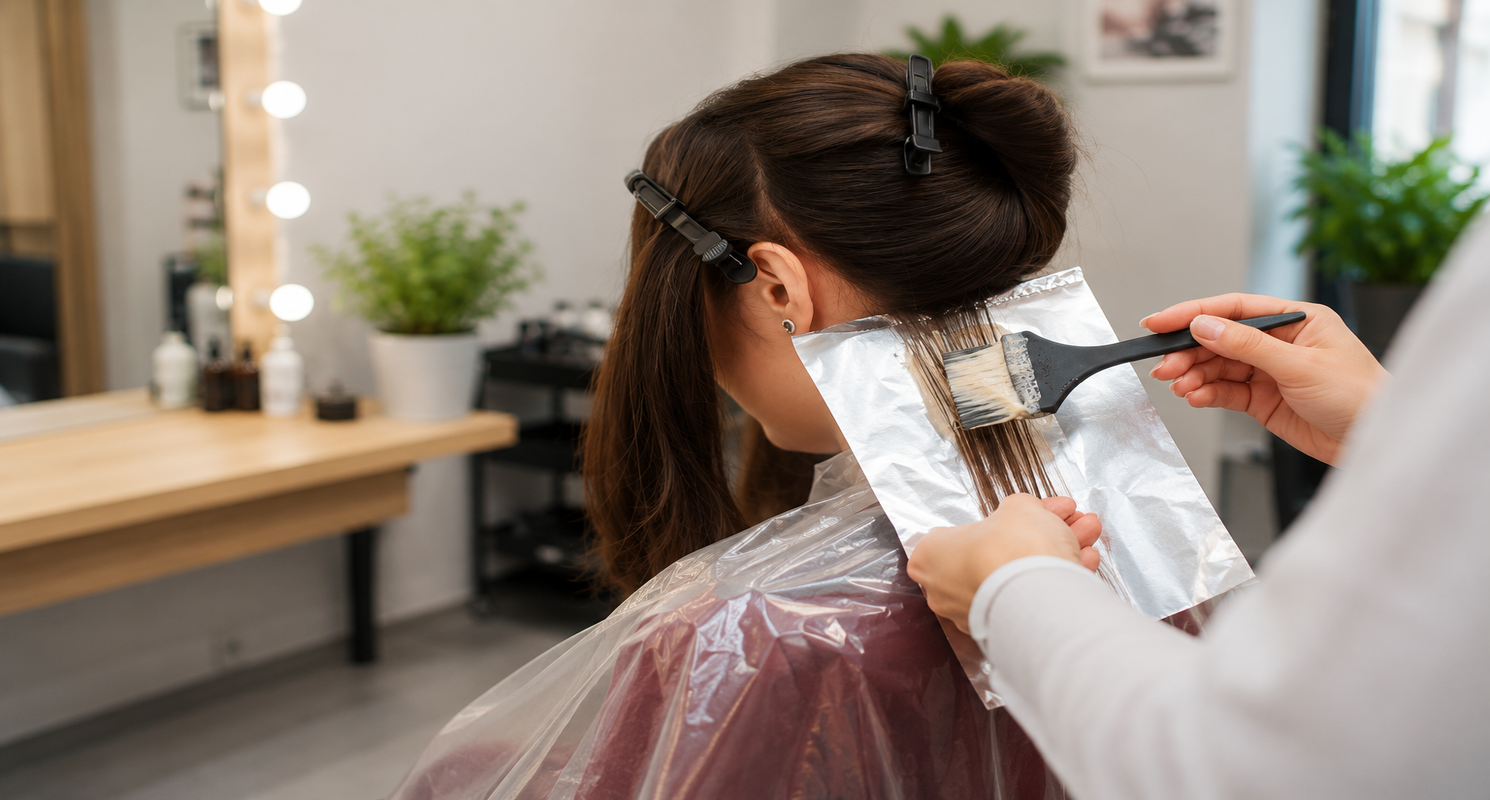
Repair that respects tone is essential. Build a consistent in-salon protocol:
- Cleanse gently with a sulphate free shampoo to remove residue without stripping
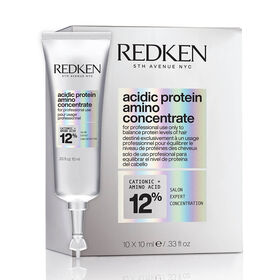
- Apply a professional bond-repair treatment to rebuild internal structure
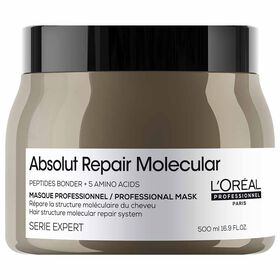
- Layer a nourishing hair mask to restore moisture and elasticity
- Finish with leave-in protection and heat defence before styling
Tailor the treatment to the concern:
- Breakage and elasticity loss: protein-rich and bond-focused systems
- Extreme dryness: ceramides, plant oils, and humectants
- Colour fade: pH-balanced, colour-safe formulations
Expert tip: Framing aftercare as “maintenance of your salon result” significantly increases retail conversion and client compliance. - Jane Wanniaratchy - Head of Product and Technical Education – 30+ years Hairdressing experience & 20+ years Nail Experience
Styling Tips to Protect and Strengthen Blonde Hair
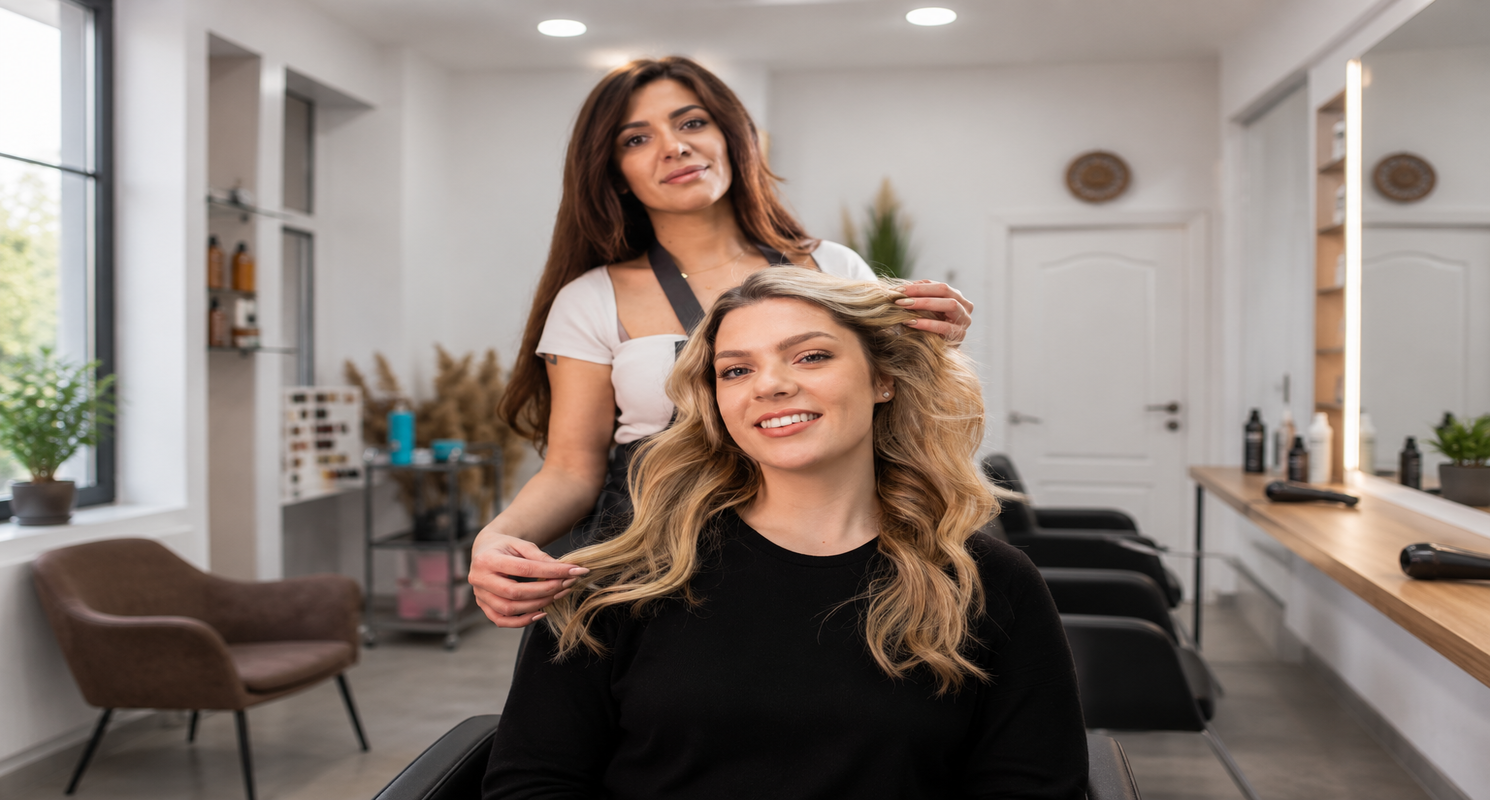
Mechanical and heat stress are major contributors to ongoing damage. Reinforce best practice:
- Pat hair dry with a microfibre towel rather than rubbing
- Detangle from ends upwards using appropriate professional tools
- Avoid high-tension styling on fragile ends
Heat control remains critical:
- 150–170°C for fine or compromised hair
- Maximum 180°C for stronger textures
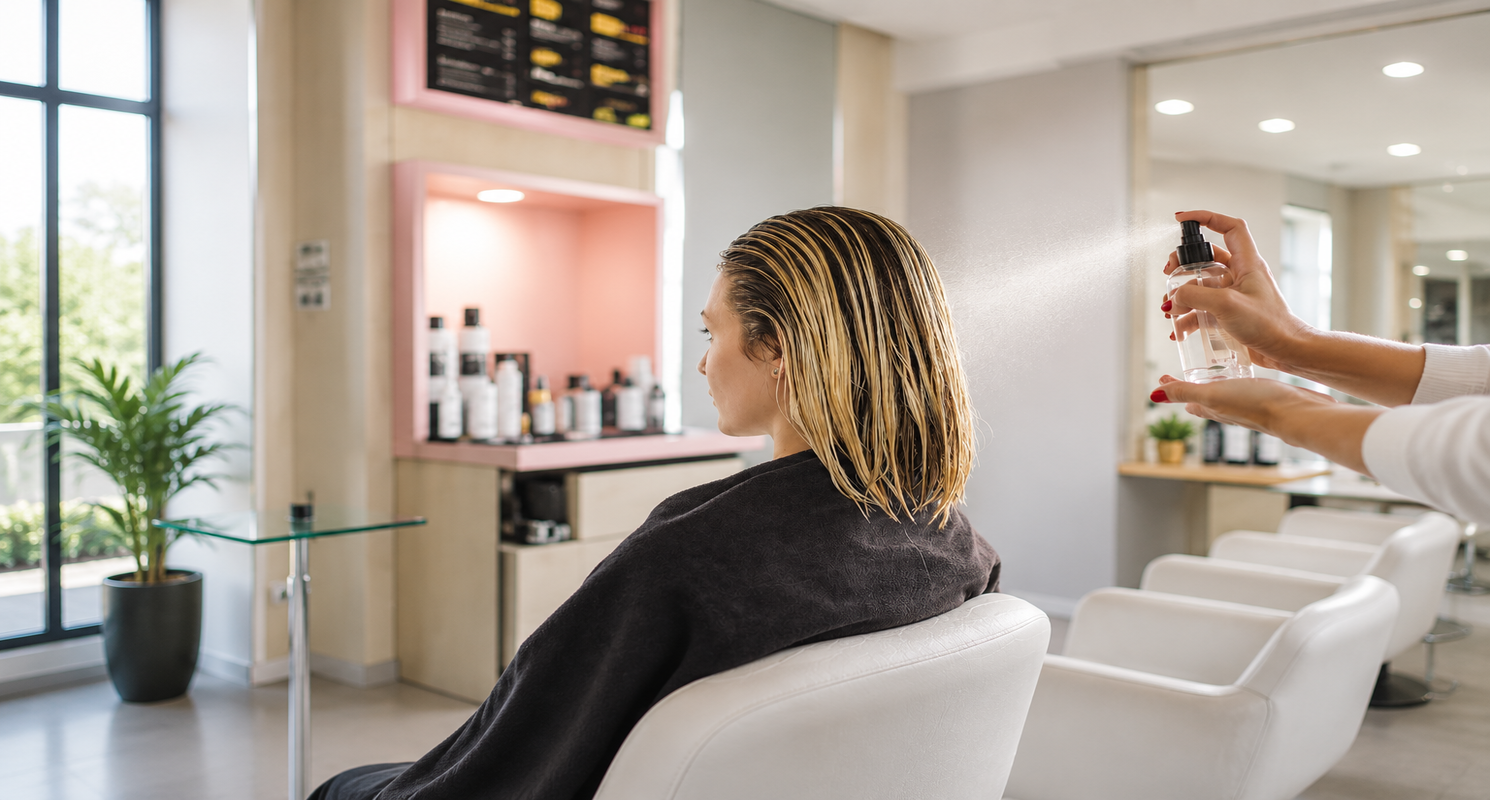
Expert tip: Reducing repeated heat styling between appointments is one of the most effective ways to maintain repair results. When heat styling is necessary, always use a heat protectant spray and keep tools at the lowest effective temperature to help minimise further damage and support long-term hair health. - Elke VanDaal - Education Designer – 20+ Hairdressing Experience & 20+ Nail Experience
Creating a Long-Term Recovery Plan for Over-Processed Blondes
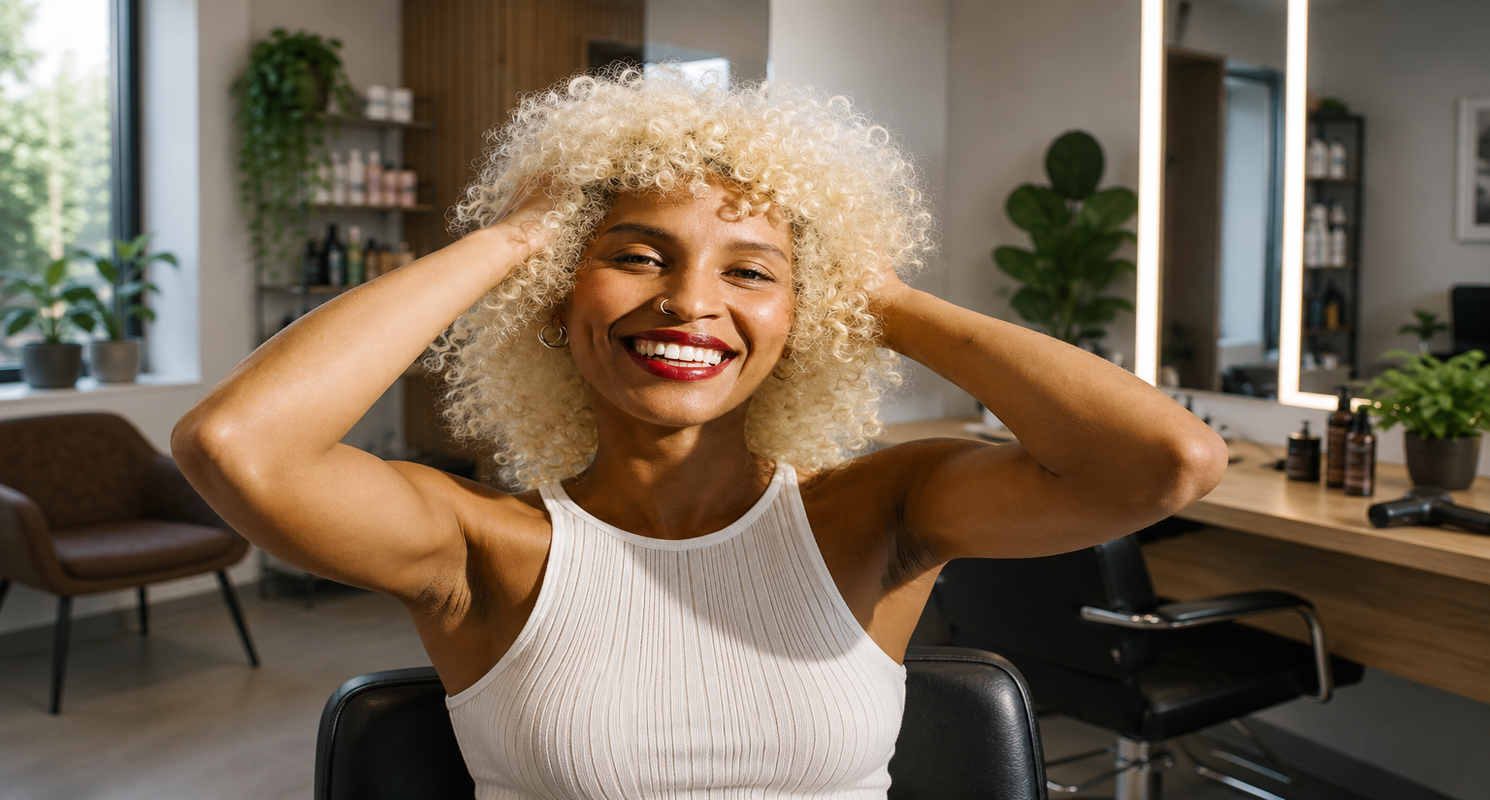
Set clear expectations. Some damage must be removed through trimming, while the rest can be improved through consistent treatment.
Plan for:
- Regular micro-trims every 8–10 weeks
- Reduced frequency of full lightening services
- Strategic colour placement to minimise repeated stress
Recommend a professional product plan aligned to your service:
- Hair bonding repair systems for ongoing strength
- Hydration-focused cleansing and conditioning
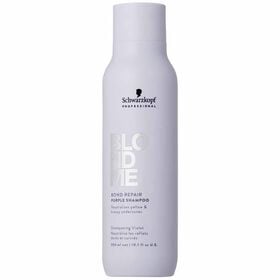
- Targeted toning solutions
- Weekly treatment masks
- Leave-in protection and detangling support
- Professional heat defence
Expert tip: Position repair as a progressive journey—this supports client retention and repeat service bookings. - Rena Parrock - Education Design Team Lead – 30+ Years Hairdressing Experience
FAQs
How can I repair damaged blonde hair quickly in the salon?
- Use bond-repair systems, deep conditioning, and controlled styling to deliver visible improvements in a single service.
How often should clients use bond-repair treatments?
- Recommend once to twice weekly depending on damage level, reducing to weekly for maintenance.
Can over-toning impact hair condition?
- Yes. Overuse of toning products can lead to dryness and dullness, so balance with hydration-focused treatments.
When should further lightening be avoided?
- If hair shows gumminess, excessive elasticity, or progressive breakage, pause chemical services and focus on repair.